
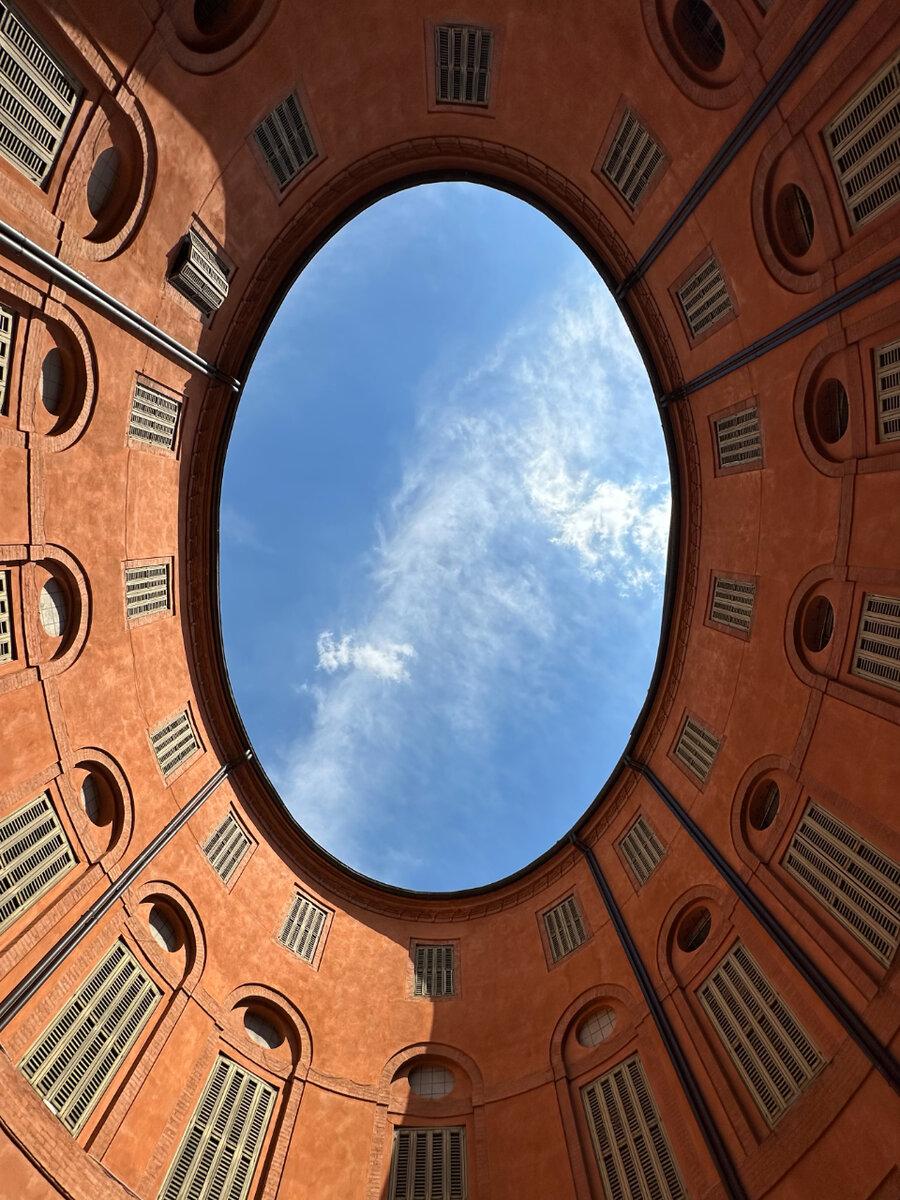
I gave myself one rule for the afternoon: no map, no destination, turn whichever way looked more interesting, and be back at the river before dark.
What that actually looks like
Four hours, maybe eleven kilometres, almost none of it anywhere a guidebook would send you. A long stretch of low workshops open to the street — metalwork, then upholstery, then for about two hundred metres nothing but people repairing cars. A school letting out. A tram line I crossed three times without realising it was the same line.
I saw one other obvious visitor, going the other way, and we performed the small ritual nod of two people who have both wandered too far.
Why the rule matters
Because without it I do not do this. With a phone in my pocket the temptation is to check where I am, and the moment I check, I have a position and a route and the walk becomes navigation. The not-knowing is the entire mechanism. It is what makes you look up.
The “be back at the river before dark” part is not romantic — it is the safety rail that makes the rest possible. A city with a river has a linear feature you can walk toward from anywhere, and Belgrade has the luxury of two. Pick your equivalent: a coast, a ridge, a rail line, a main road you can hear.
The honest limits
I do this as someone who is rarely read as a target and who can afford a taxi if the afternoon goes wrong. That is not a universal position and “just get lost” is advice that lands very differently depending on who is holding it. Keep the phone charged even if you do not look at it.